How to Save for a Home Without Sacrificing Life’s Big Moments
Weddings, trips, and rent add up fast. Here’s how to enjoy life and still grow your down payment savings for your future home in Virginia Beach.
Saving for a home in Virginia Beach doesn’t require putting your entire life on hold. You can still attend weddings, take a trip, and enjoy weekends—if you follow a smart, intentional plan.
Why It Feels Hard to Save Right Now
We’re in a time of rising rents, growing home prices, and inflation that impacts everything from groceries to gas. Without structure, it’s easy to:
- Dip into your savings for “just one” celebration
- Let subscriptions or small expenses accumulate unnoticed
- Delay saving altogether because the goal feels overwhelming
That struggle is real for many renters. According to recent surveys:
- 45% said they made a housing sacrifice to afford wedding expenses
- 15% moved into a smaller rental or starter home
- 11% chose to live with roommates
- 25% turned down events because the cost was just too high
The upside? Some intentional changes can bring your home-savings goals back within reach.
Virginia Beach Market Snapshot
To set the stage:
- The average home value in Virginia Beach is around $413,711, up ~1.7% over the past year. Zillow
- The median sale price in recent months has hovered near $400,000, with modest appreciation. Redfin+1
- On the rental side, estimates vary by source:
• Zillow reports an average rent of ~$2,200 for all unit types. Zillow
• RentCafe lists the average rent at ~$1,738 for apartments. RentCafe
• Zumper’s data shows a median rent of ~$2,029 across all property types. Zumper - Apartments for Rent & Houses
So whether you rent or buy, the costs in this region are meaningful—and they demand a smart savings plan.
7 Money Habits to Start Today
These strategies help you balance living now with building a down payment fund:
1. Set a Realistic Budget (and Stick to It)
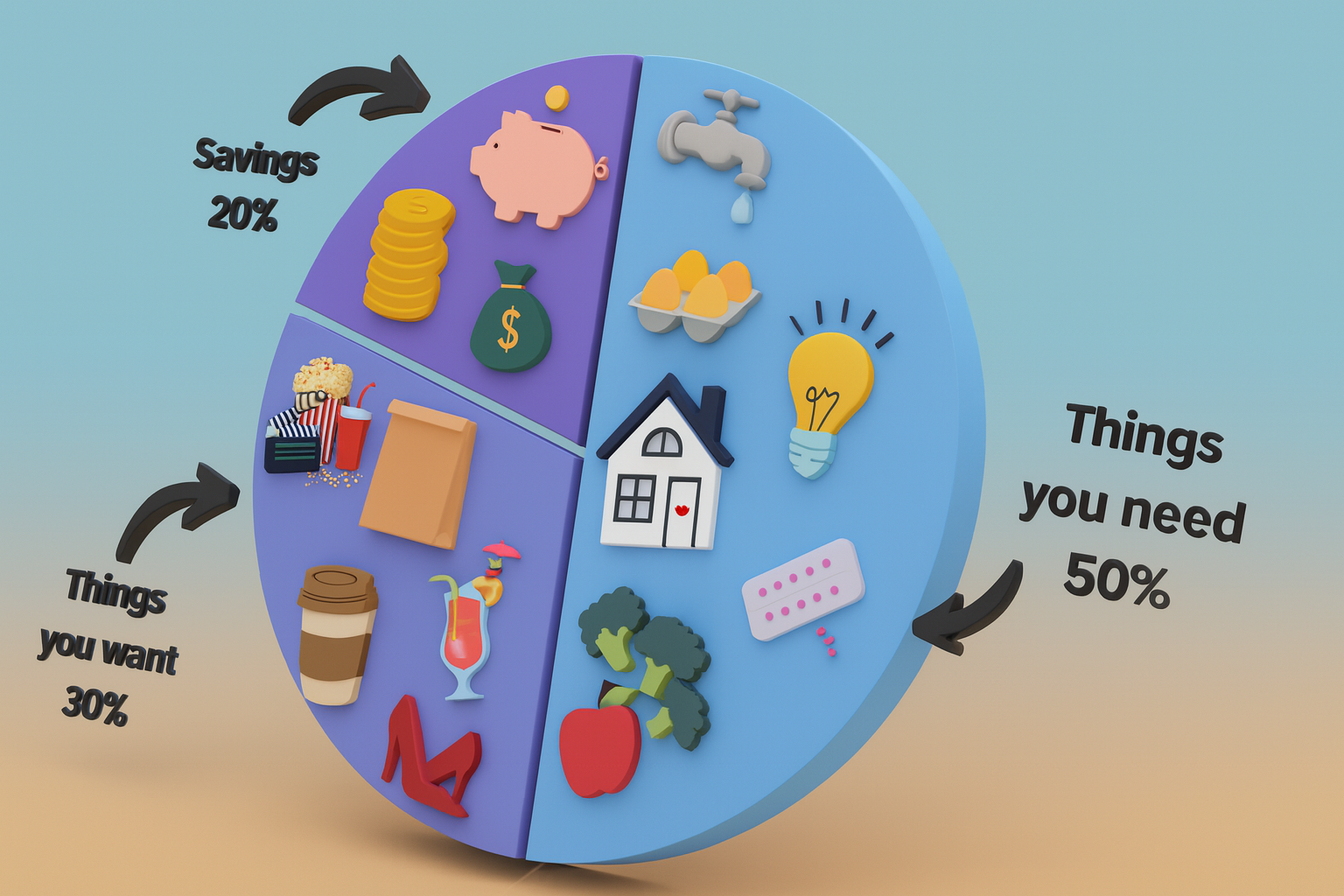
Don’t say “yes” first—figure out what your finances can actually support. A helpful rule is the 50/30/20 framework:
- 50% for needs (rent, utilities, groceries)
- 30% for wants (events, travel, dining out)
- 20% toward savings or debt repayment
That gives you built-in flexibility while ensuring your goals stay on track.
2. Treat Your Housing Savings as a Fixed Expense
Decide on a down payment or home savings target, then automate transfers right after payday. View it like a “bill” you have to pay—because it is.
3. Build a “Whoops” Fund / Emergency Cushion
Start small—$500 to $1,000—and grow it. This cushion helps you avoid pulling from your down payment stash for surprise costs. Round-up apps or micro-saving tools can help. If possible, use a high-interest savings account.
4. Trim Monthly Bills & Leverage Rental Incentives
- Many landlords recently offered move-in concessions, such as a free month’s rent or free parking. Ask whether your building has deals.
- Review recurring costs: phone, internet, streaming services. Call providers to negotiate or cancel unused services.
- Cook more, order less, and reexamine your utility usage—small changes add up.
5. Be Intentional About Events
You don’t have to skip every celebration—but be strategic.
- Attend only what matters most
- Share event costs with friends or family
- Go to parts of an event instead of the whole
- Look for lower-cost ways to celebrate (potlucks, group gifts, etc.)
6. Automate Everything You Can
Set up autopay for recurring bills and automated contributions to savings. The less your progress depends on willpower, the more reliably you’ll move forward.
7. Explore All Paths to Homeownership
You don’t always need a 20% down payment. Programs and incentives exist that allow down payments of 0–3%, depending on your qualifications and local offerings. Talk with a trusted real estate or mortgage advisor about what’s available in Virginia Beach / Hampton Roads.
How This All Adds Up Over Time
Let’s say your target home costs $400,000. If you aim for a 5% down payment, that’s $20,000. If you save $400/month, it’ll take about 50 months (just over 4 years). But with small wins—reducing a $50 subscription, cutting $100/month in utilities, or skipping just two $200 event splurges—you can fast-track your progress.
Pair that with interest earnings, tax refunds, or bonuses, and your path shortens.
FAQs
Q: Should I focus all extra money on the down payment?
Not necessarily. Once your emergency fund is built, prioritize your down payment—but don’t neglect basic quality of life. You’ll burn out if you eliminate all joy.
Q: How much do I need to save for closing costs and other fees?
Typically, plan for 2–5% of the home price for closing and related costs (inspections, title fees, etc.).
Q: How do I know when I’m ready to stop renting and buy?
You’ll feel ready when:
- You have your down payment plus a cushion
- Your debt-to-income ratio is manageable
- You’ve researched mortgage programs and prequalified
- You feel confident in your local market
The Big Picture: Buying a Home Without Missing Life
Homeownership is a powerful milestone—but it doesn’t have to come at the cost of memories. With a clear budget, automated savings, and selective spending, you can enjoy weddings, trips, and gatherings and grow your down payment fund. Especially here in Virginia Beach, where real estate is steadily moving, having a plan and staying consistent is your advantage.
Thinking about making Virginia Beach your home? Explore local neighborhoods, discover the latest listings, or get a free home valuation to see what your home could be worth in today’s market. Call me at 757-703-1590 or DM me on Instagram @virginiabeachwithmegan.
Written by Megan Luker, REALTOR® | Virginia Beach Military Relocation Expert, Navy Wife & Mom
Licensed REALTOR® in the Commonwealth of VA at ΓEA⅃ Broker, LLC
📱 757-703-1590 (direct) | ☎️ 855-450-0442 (office)
📍 1765 Greensboro Station Place, 900 McLean, VA 22102
📧 megan@lukerativegroup.com
Categories
Recent Posts