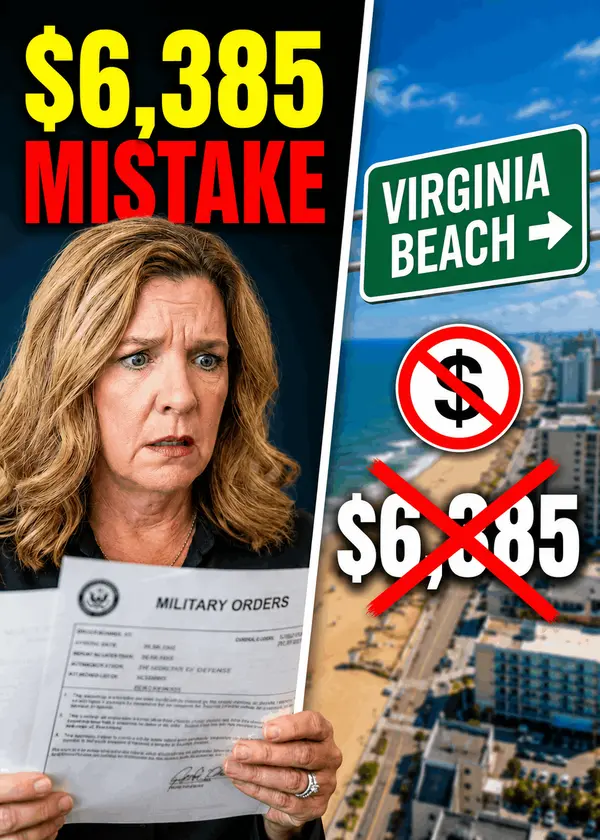
What Nobody Tells You About Living in Virginia Beach (Military PCS Guide)
What Nobody Tells You About Living in Virginia Beach Before a PCS
What do military families wish they knew about Virginia Beach before their PCS?
Virginia Beach is not one lifestyle — it is a collection of micro-markets with different commute patterns, jet noise levels, school zones, tourist traffic, and neighborhood rhythms. The families who struggle most are not those who chose the wrong house. They are the ones who chose based on wrong expectations. The families who thrive are the ones who understood the daily reality before they fell in love with a listing — commute, noise, school flow, budget, and seasonal traffic included.
On paper, Virginia Beach looks like an easy win for military families. You see the beaches, strong neighborhood options, established schools, and access to several Virginia Beach and Hampton Roads military installations. But the part that does not always show up on a map is how different daily life can feel from one neighborhood to the next. That gap between expectation and reality is what can make or break a PCS move. Virginia Beach can be a wonderful duty station — but only when your home search is built around real-life patterns: commute, school flow, jet noise tolerance, gate access, budget, and lifestyle rhythm.
The Biggest PCS Mistake Families Make
Most military families do not choose the wrong house. They choose based on the wrong expectations. A beautiful home may still create daily stress if the commute is worse than expected, the school routine does not fit your schedule, or the neighborhood lifestyle is not what you pictured. That is why Virginia Beach PCS planning needs to go deeper than bedrooms, bathrooms, and map distance. Before you fall in love with a house, you need to understand how the area functions on a regular weekday morning, during tourist season, after school dismissal, and around military shift schedules. Hear the story that shapes this whole guide at 0:54. See what this video will cover at 1:22.
Virginia Beach Is Not One Lifestyle
Virginia Beach is not just one big beach town. The Oceanfront feels different from Great Neck. Red Mill feels different from Town Center. Kempsville, Shore Drive, Salem, Pungo, and the North End all have their own daily rhythm. That matters for PCS families because each area can offer a different mix of commute patterns, school zoning considerations, traffic flow, noise exposure, beach access, shopping and errands, neighborhood pace, and budget expectations.
A family stationed at NAS Oceana may prioritize very different things than a family commuting to Naval Station Norfolk or Joint Expeditionary Base Little Creek–Fort Story. That is why "best neighborhood" is not the right first question. The better question is: best for which base, which budget, which schedule, and which lifestyle? See the philosophy behind this approach at 1:38. See the Virginia Beach personalities breakdown at 2:12.
PCSing to Virginia Beach and want to understand what daily life really looks like before you choose a neighborhood? My free Military Relocation Guide walks veterans, active-duty service members, and surviving spouses through the timeline, the VA loan steps, and the base-by-base layout of Virginia Beach and Hampton Roads.
The Military Presence Is Strong, But Subtle
Virginia Beach has a strong military presence, but it is not a fully military-centered town in the way some duty stations feel. You will find active-duty families, veterans, civilians, remote workers, long-time locals, retirees, and second-home owners all living alongside each other. That mix can be a strength — it gives Virginia Beach stability and variety. But if you are expecting every neighborhood to feel completely base-driven, you may be surprised. Military families often do well here when they understand that Virginia Beach is both a coastal city and a military-connected community, and that the best areas for their family may not be the most obviously "military" ones. See the 7 things nobody mentions about Virginia Beach at 4:16.
Tourism Changes the Feel of the City
Tourism is part of the Virginia Beach lifestyle. From late spring through early fall, the areas near the Oceanfront, resort zones, Shore Drive, Sandbridge, and major event corridors can feel very different from how they do in January or February. That does not mean you should avoid those areas — it means you should ask better questions before choosing them. Will summer traffic bother you? Do you want quick beach access even if it comes with seasonal crowds? Are you okay with event traffic? Will your commute cross tourist-heavy routes? Do you prefer quiet residential rhythm over beach-town energy? For some families, beach proximity is worth the trade-off. For others, a smoother school and commute routine matters more.
Jet Noise Is Real, But It Is Location-Specific
If your orders bring you near Naval Air Station Oceana — the Navy's East Coast Master Jet Base — jet noise needs to be part of the conversation. Flight activity is part of life in certain parts of Virginia Beach, but it is not the same everywhere. Some neighborhoods experience it more directly than others. Some families adjust quickly. Others realize after closing that their noise tolerance is lower than expected. Jet noise is manageable when it is discussed early. It becomes frustrating when it is a surprise. If you are considering neighborhoods near Oceana, Dam Neck, Ocean Lakes, Red Mill, Castleton, or parts of the southern Virginia Beach corridor, your home search should include a serious noise-tolerance conversation before you write an offer.
Beach Access Does Not Always Mean Daily Beach Life
Yes, the beach is here. But daily life still includes school mornings, work schedules, gate traffic, deployments, sports practices, humidity, summer visitors, and real family routines. Some military families use the beach every week. Others go a few times per season. Neither is wrong — the key is knowing whether beach access is truly part of your everyday lifestyle or simply something that sounds appealing during the search. For many PCS families, proximity to base, school fit, budget, and neighborhood function may matter more than being as close to the sand as possible.
Miles Do Not Always Equal Minutes in Virginia Beach and Hampton Roads
This is one of the biggest lessons military families learn quickly in Virginia Beach and Hampton Roads. A home may look close on a map, but drive time can be shaped by base gate traffic, school pickup and dismissal, tourist season, weather, tunnels and bridges, accidents or lane closures, shift-change timing, and Friday afternoon traffic. Before choosing a home, check real traffic patterns through VDOT's 511 Virginia tools, especially if your commute may involve Virginia Beach and Hampton Roads bridges or tunnels. The golden rule still matters: when possible, stay on the same side of the water as your base. That does not mean crossing water is impossible. It means you should understand the risk before making it part of your daily life.
The Waze Test Every PCS Family Should Run
Before you choose a neighborhood, plug in your likely commute and check it at 7:15 AM, 4:30 PM, Friday afternoon, a rainy day if possible, and during summer season if you are looking near tourist corridors. Do this for your specific base, not just the general city. A commute to Naval Station Norfolk is different from a commute to Dam Neck Annex, NAS Oceana, or JEB Little Creek–Fort Story. The house is temporary. The commute repeats.
Schools, Lifestyle, and Stage of Life Matter
Virginia Beach is served by Virginia Beach City Public Schools, but school zoning varies by address — always verify the assigned school directly before making a decision. School fit is not only about rankings. It may also include commute to school and base, before- and after-care needs, sports or academic interests, special education support, bus routes, teen lifestyle, neighborhood friend patterns, and proximity to activities. A first-time military couple may prioritize restaurants, beach access, or low-maintenance living. A family with teenagers may care more about school zoning, driving patterns, and sports. A dual-military household may prioritize commute predictability above everything else. Your season of life should drive the search.
Flood, Insurance, and Coastal Planning Should Not Be Ignored
Virginia Beach is a coastal city, so flood-zone awareness matters. That does not mean every home has the same risk or requires the same planning — but PCS buyers should understand flood zones, insurance considerations, drainage, and elevation before making assumptions. Helpful planning resources include FEMA Flood Maps, Virginia Beach Floodplain Management, and Virginia Beach FEMA Flood Zone Data. Flood risk and insurance costs can vary by property, lender, coverage, and flood-zone status — always verify with your insurance professional, lender, and appropriate official resources before making a final decision.
Base-Specific Reality Check
NAS Oceana
If you are stationed at NAS Oceana, commute convenience can be excellent from many parts of Virginia Beach, but jet noise tolerance matters. Do not choose only by distance — choose based on your ability to live with the daily rhythm around the base.
Dam Neck Annex
Dam Neck Annex offers coastal proximity, but families should consider tourist-season patterns, Sandbridge-area traffic, and lifestyle expectations near the southern beach corridor before committing to a neighborhood.
Naval Station Norfolk
For Naval Station Norfolk, tunnel and bridge patterns matter significantly. Living on the same side of the water as your base is often the safer planning strategy when possible. If you are considering Virginia Beach while commuting to Norfolk, test the route at real commute times — not on a Saturday afternoon during a showing.
JEB Little Creek–Fort Story
Joint Expeditionary Base Little Creek–Fort Story can offer more location flexibility, especially around Shore Drive, Great Neck, and parts of central Virginia Beach. Traffic patterns near Shore Drive, bridge access, and school flow should still be reviewed carefully before deciding.
Naval Medical Center Portsmouth and Coast Guard Base Portsmouth
If your work centers around Portsmouth, including Naval Medical Center Portsmouth or Coast Guard-related assignments, the water-crossing conversation becomes even more important. A home that looks close by mileage may not feel close once tunnels, bridges, and peak commute windows are part of the daily equation.
What Buyers Often Misunderstand
The biggest misunderstandings usually sound like: "It is only 12 miles, so the commute should be easy." "We want beach access, so we should live as close to the Oceanfront as possible." "Jet noise will not bother us." "All of Virginia Beach feels the same." "We can figure out schools after we find the house." "The prettiest house is the best decision." In Virginia Beach and Hampton Roads, the smartest PCS move is rarely based on one factor. It is usually the balance between commute, school fit, budget, lifestyle, noise tolerance, and resale strategy. See the story of successful military buyers who got it right at 9:54.
FAQ: Virginia Beach PCS Questions — See real questions answered at 11:00.
Is Virginia Beach a good duty station for military families?
For many families, yes. Virginia Beach offers strong neighborhood variety, a coastal lifestyle, access to several military installations, and established community resources. The key is choosing based on daily life realities, not assumptions built from listing photos or general reputation.
Is jet noise everywhere in Virginia Beach?
No. Jet noise is location-specific and more noticeable in certain areas connected to NAS Oceana flight activity. If noise tolerance is a concern for your family, discuss it early in the home search — before you are under contract on a house near a flight path.
Should we live near the beach if we are PCSing to Virginia Beach?
Maybe, but beach proximity is not always the most important factor. Some families value quick beach access. Others are happier prioritizing school zoning, commute reliability, yard space, or affordability. Know which trade-offs your family is actually willing to make before starting the search.
How important is commute planning in Virginia Beach and Hampton Roads?
Very important. In Virginia Beach and Hampton Roads, miles do not always equal minutes. Bridges, tunnels, gates, school traffic, and seasonal tourism can all affect your daily drive — and a pleasant 15-minute commute in January may feel very different in July.
Should we rent first before buying in Virginia Beach?
For some families, renting first can make sense — especially if you are unsure about noise tolerance, school fit, commute patterns, or how long you will stay. For others, buying may be the better strategy depending on timeline, budget, and long-term plans. Talk through both options with your real estate agent and lender before deciding.
How do we verify school zoning in Virginia Beach?
Always verify school zoning directly through Virginia Beach City Public Schools using the specific property address. Zoning can be address-specific and should never be assumed from listing data, neighborhood reputation, or what someone else's child attends.
If you want your next PCS move to be truly seamless, download my free Military Relocation Guide — or book a Zoom call with me and we'll talk through your move one-on-one, whether you're relocating in the next 30 to 90 days or just starting to plan. See the full recap at 12:16. See how to reach out and get started at 12:45.
Found this helpful? I post deep-dive neighborhood guides, VA loan tips, and honest PCS breakdowns every week on my YouTube channel — Living in Virginia Beach VA. Click through to subscribe so you never miss one, or head over to leave a comment and let me know what surprised you most about Virginia Beach before your PCS.
Welcome home. This is real-life Virginia Beach.
About Megan Luker — Ready to Plan Your Move?
Megan Luker is a third-generation real estate agent and a retired Navy wife who has spent more than 35 years rooted in Virginia Beach and Hampton Roads. She holds the ABR, CLHMS, GRI, and MRP designations and specializes in helping veterans, active-duty service members, and surviving spouses use their VA loan benefit to buy near Naval Station Norfolk, NAS Oceana, Joint Expeditionary Base Little Creek–Fort Story, Naval Air Station Oceana Dam Neck Annex, Naval Support Activity Hampton Roads, Joint Base Langley–Eustis, Coast Guard Base Portsmouth, and any other military or DoD installation across Virginia Beach and Hampton Roads. She has guided more than 300 military families through their PCS moves.
Families relocating to Virginia Beach, Chesapeake, Norfolk, Portsmouth, or anywhere across Virginia Beach and Hampton Roads work with Megan to narrow down what actually fits their budget, commute, school needs, HOA comfort level, and military timeline.
Her goal is simple: help military families move with clarity, confidence, and the right strategy for their situation.
Megan Luker, Virginia Beach & Hampton Roads Military Relocation Expert
Lukerative Group at REAL Broker LLC | 855-450-0442
HomesAndVeterans.com | 757-703-1590
Categories
Recent Posts